Education Spotlight

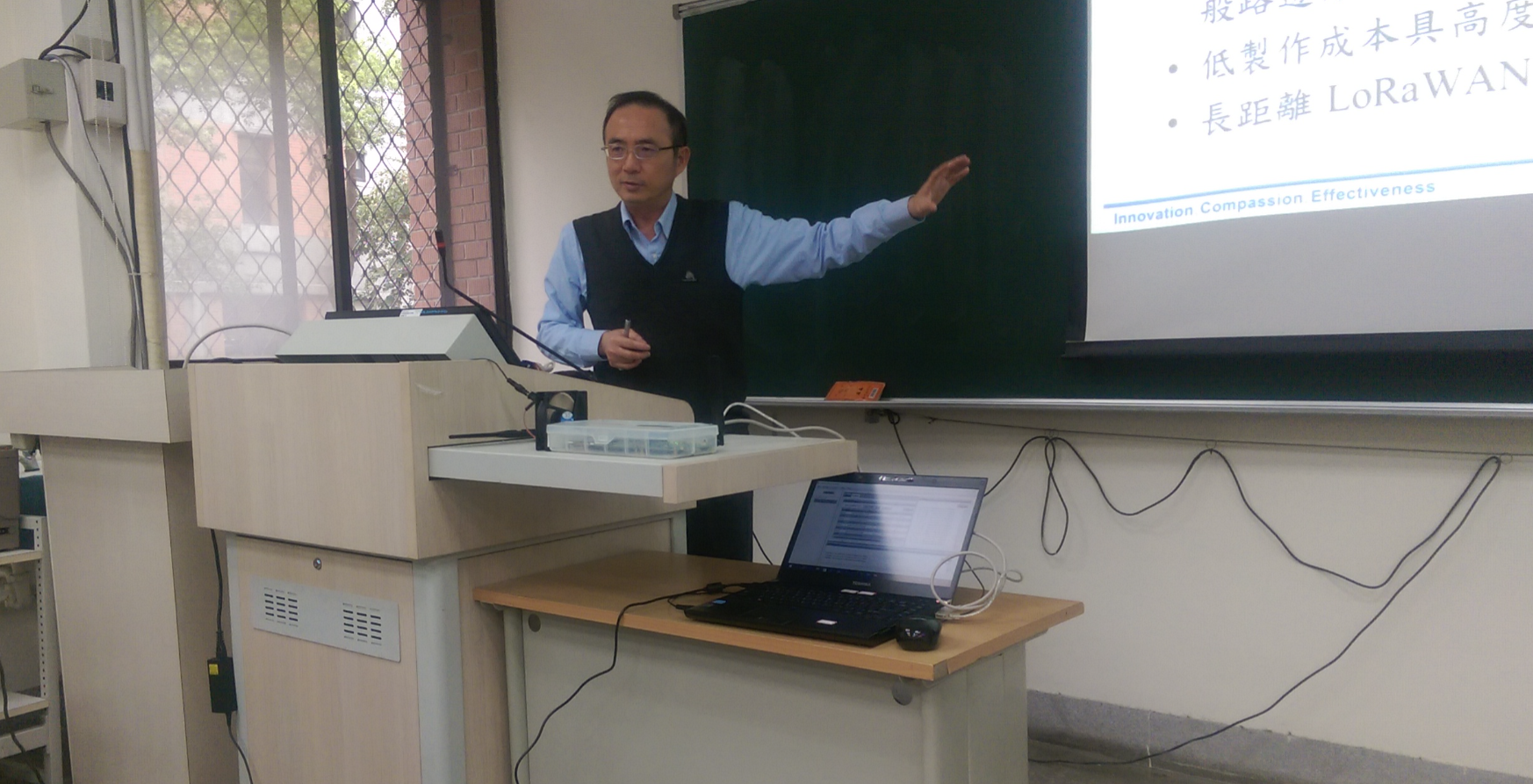
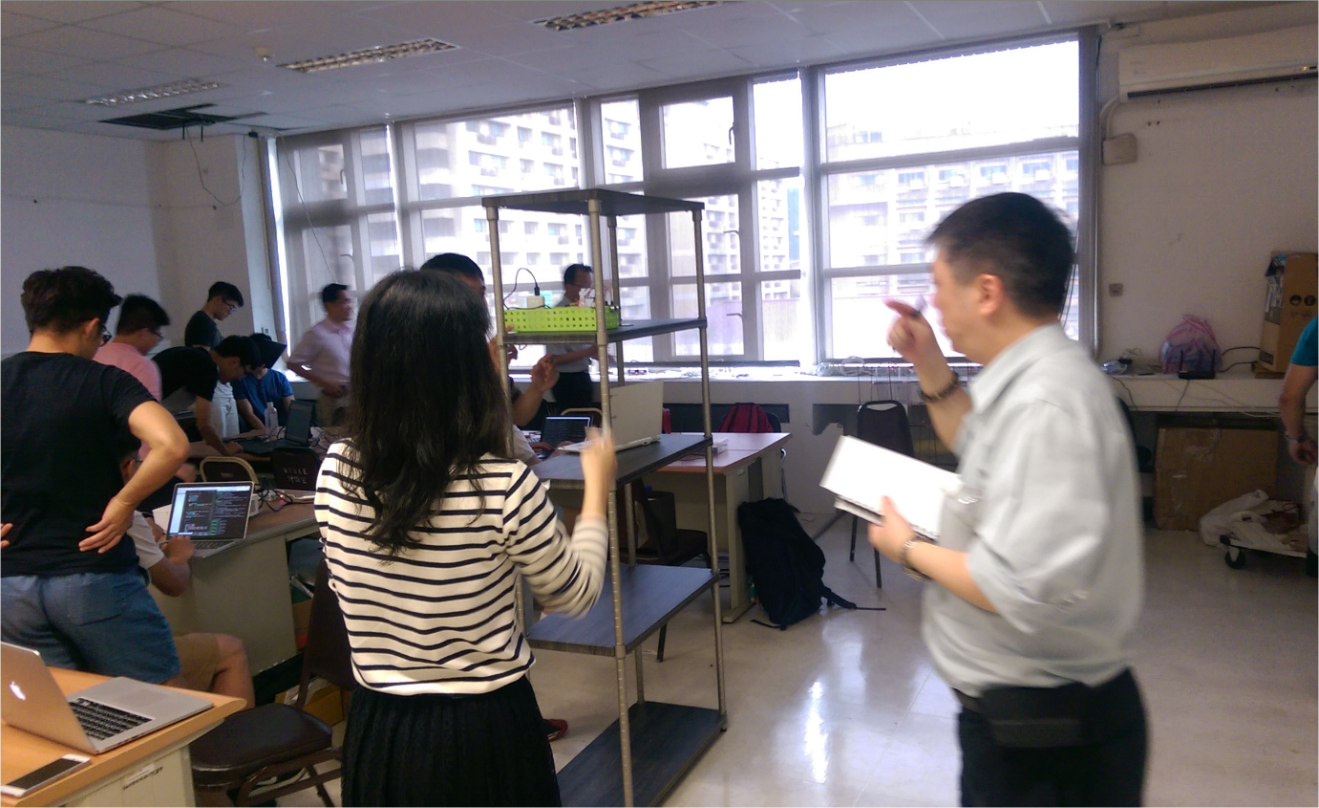
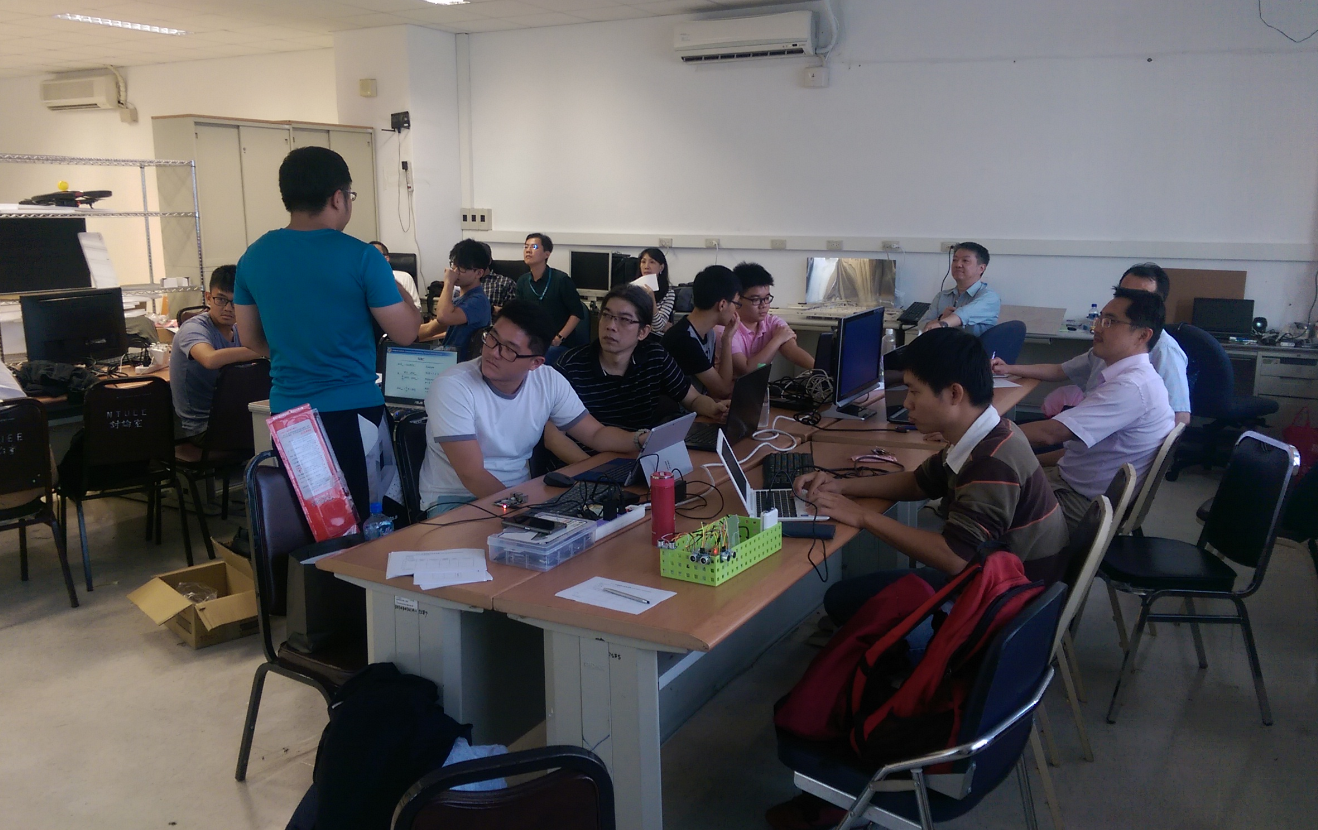
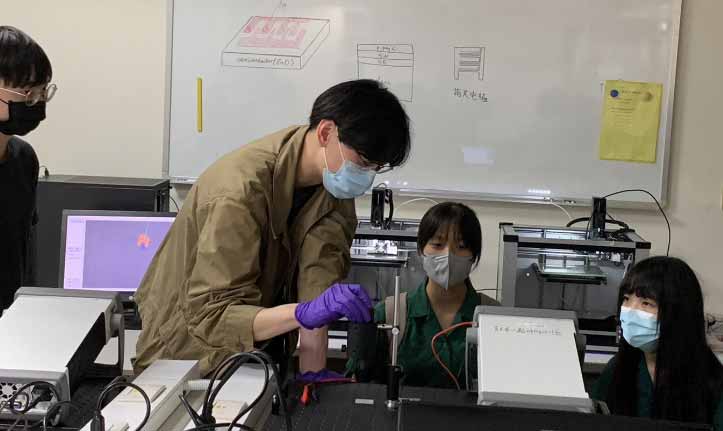
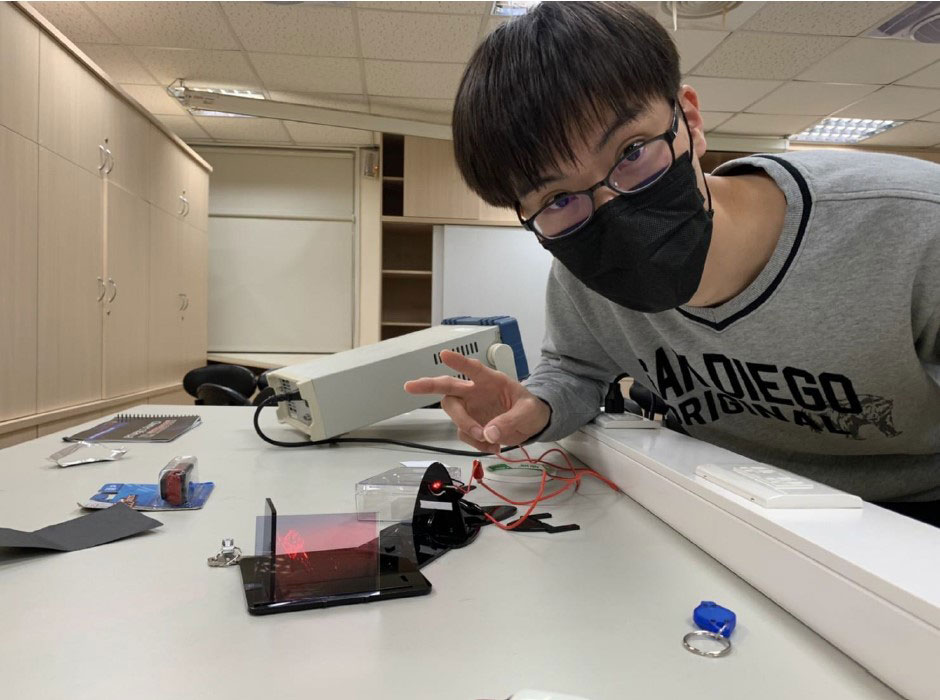
Through learning-by-doing, the IoT course series start from the fundamentals of computing, control, and communication, followed by hands-on walkthrough of the physical-world connected things and sensory layer, the communication-centric conversion layer, the cloud-computing savvy cyber layer, the service-oriented cognition-layer, to eventually reach the advanced sector-specific topics of the continuity-layer, by a series of hands-on experiments and projects. Students will learn how to identify the user need and formulate the problem statement, to choose the appropriate development tools and enabling technologies, to design and implement the IoT solution to address the problem, and to verify and validate the outcome in the real-world contexts.
The IoT curriculum at NTUEE consists of two courses. The more fundamental Introduction to the Internet of Things and the advanced Special Topics of IoT Application Systems. The main objective of the former one is to guide students with the IoT fundamentals of connected things, communication protocols, and cyber platforms, towards the training of frontline IoT developers. For the later one, the main objective stress more on the smart cognition services and continuity topics to foster the development of future IoT system architects.