Education Spotlight

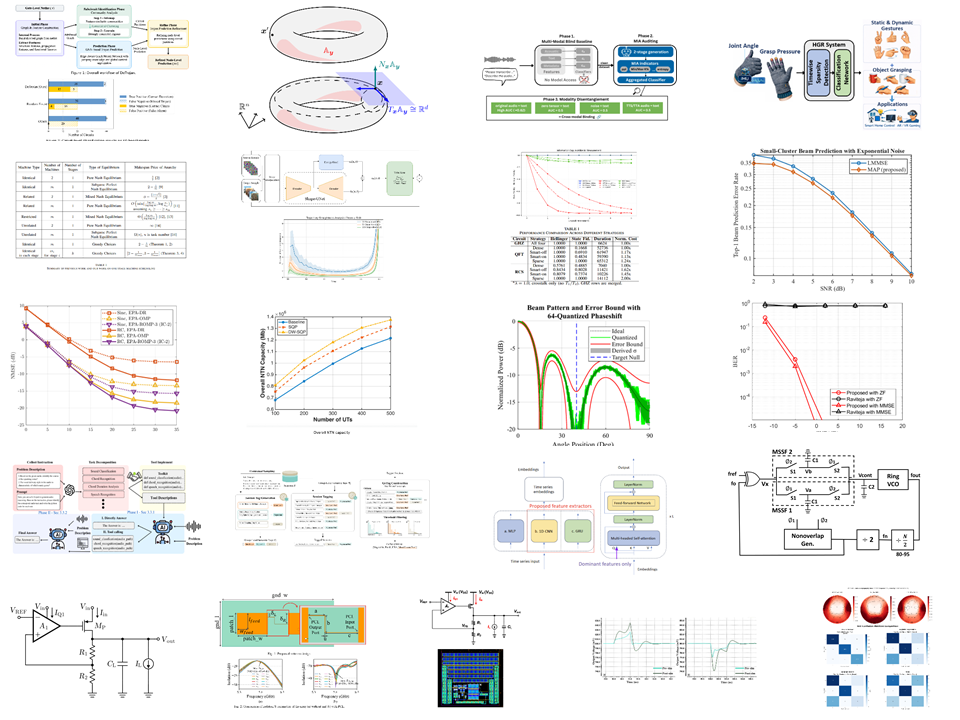
We are pleased to present the recipients of the 2026 NTUEE Undergraduate Best Paper of the Year Award alongside the outstanding works selected for this year’s proceedings. These papers represent the exceptional research capabilities, engineering innovation, and academic dedication of our undergraduate students.
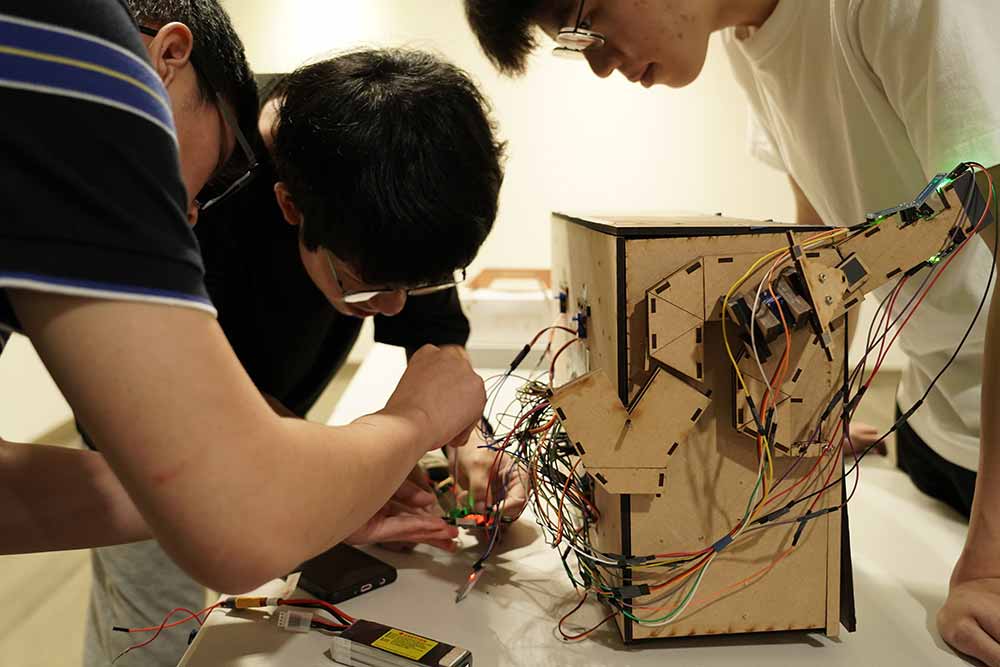
is a cornerstone course in our department, tailored for first-year students. To date, the course has been offered for six semesters (once per academic year) and has consistently received positive feedback from enrolled students. The course encompasses a series of team-based hands-on modules and culminates in a self-selected project at the end of the semester. Its primary objective is to nurture students’ problem-solving skills through hands-on experience and encourage interdisciplinary learning. Furthermore, it facilitates students in exploring the realm of electrical and computer engineering while aligning with their individual interests.
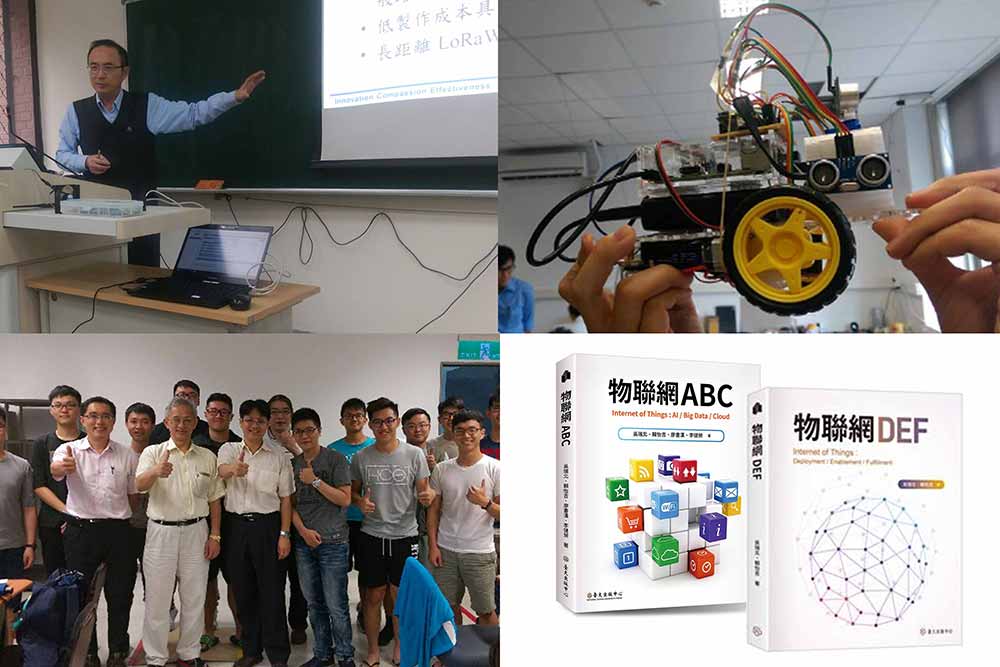
The goal of the Internet of Things (IoT) course series is to cultivate the next generation of multi-disciplinary technical and industry leaders at the frontier of the IoT from the university campus. The IoT course series not only emphasize the IoT concepts and development of cutting-edge IoT technologies, but also cover the megatrends, methodology, standards, as well as industry engagement.

The "Undergraduate Internship Program (UIP)" is a 1-credit course first offered from Spring 2014 and switched to the Fall semesters in order to equip NTUEE undergraduate students for both domestic and international internship opportunities. The two course objectives are:
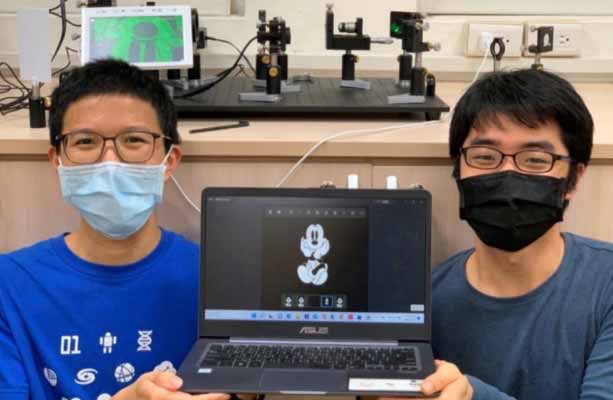
The NTUEE Photonics Lab Course is composed of four modules of Wave-, Fourier-, Micro-Optics and Photonic Devices upon which we develop platforms to allow the students participating in the computer design, automatic printing/fabrication, assembling, characterization, and analyzing of the designated experiments.

From June to August 2022, Associate Professor Hung-yi Lee of the Department of Electrical Engineering led students from NTU’s College of Electrical Engineering and Computer Science to participate in the 2022 Eighth Frederick Jelinek Memorial Summer Workshop (JSALT). The team built close international collaborations and achieved notable breakthroughs in speech processing.
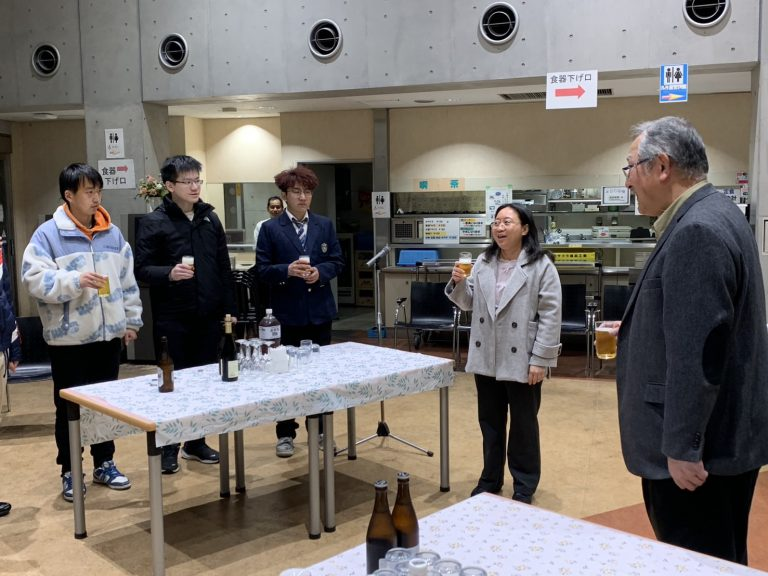
To strengthen the academic and industry ties between NTU’s College of Electrical Engineering and Computer Science and the Institute of Solid State Physics (ISSP) at the University of Tokyo, a student exchange memorandum was signed in 2018. Despite pandemic restrictions, alumni and faculty continued bilateral visits. From March 3 to 5, 2025, eight students—from doctoral candidates to undergraduates—accompanied by four NTU faculty members, traveled to University of Tokyo’s ISSP under the guidance of Professor Akiyama and his team. This 2.5-day program featured research presentations and lab tours, aiming to deepen students’ understanding of cutting-edge topics and explore opportunities for summer research internships and graduate studies.

In October 2024, the Department of Electrical Engineering at National Taiwan University and the Kyushu Institute of Technology jointly launched an International Reading Group under the theme “What Technology Cannot Solve and How to Address Such Problems,” aiming to foster cross-cultural dialogue and collaboration among students from both institutions. This initiative culminated in an in-person end-of-term exchange held in March 2025 in Taipei, where participants shared their findings and learning experiences, marking a successful conclusion to the program.
