Education Spotlight

Theory:
1. Classical Information Systems: Utilizing signal processing
techniques to analyze and understand the fundamental architecture of
communication systems and the technical challenges that need to be
overcome. This section includes topics such as Introduction to
Communication Systems, Digital Modulation/Demodulation, Source
Coding, Convolutional Codes, and more.
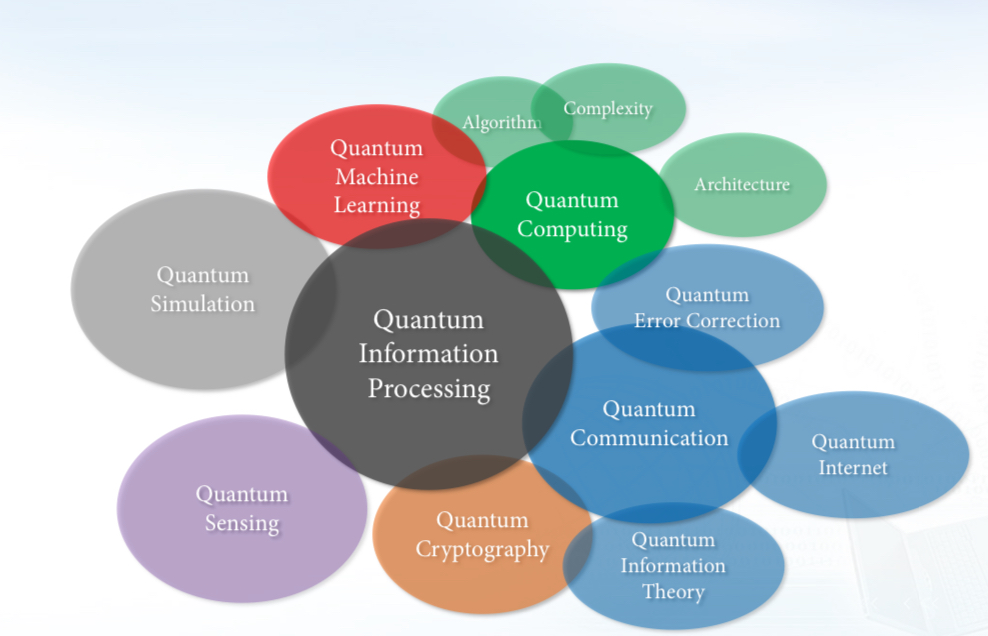
2. Quantum Information Systems: Learning the basic principles of
recent quantum information technologies and their applications, such
as quantum circuits, quantum computing algorithms, quantum
transmission, and related topics.
3. Signal Processing: This course covers several topics and
applications derived from signals and systems. These topics include
Audio Signal Processing, Image Processing, Time-Frequency Analysis,
and Signal Compression.
Practical Applications:
1. Using MATLAB and software-defined radio to validate the
theoretical knowledge learned.
2. Simulating small-scale quantum circuits using Qiskit and Python
programming packages.
3. Conducting computer-simulated experiments on audio signals,
images, and communication systems.
4. Academic presentations: Split into literature reports and final
projects, allowing students to practice problem analysis, academic
writing, and oral presentations related to current research
topics.